The short answer
The best quality Italian marble is a first-choice slab from a named Italian quarry, with an even ground, well-placed veining, few cracks or resin fills, a deep natural polish and steady 18 mm thickness, all from one lot. Statuario and Calacatta are the most prized whites; Botticino and Perlato give excellent quality for whole-house floors.
Key takeaways
- Top quality means a named Italian quarry, an even ground, balanced veining, few fills, a true polish and one lot.
- There is no single grading standard. Judge the slab in front of you, not the grade on the quote.
- Statuario and Calacatta are the most prized whites; Botticino and Perlato suit whole-house floors.
Advice for you
Tell us who you are and we will show you what matters most in this guide.
I am building or renovating my home
Pick the one room where the veining should be the feature, usually the living room, and choose a first-choice lot for it. A calmer beige such as Botticino Classico can carry the rest of the house.
Book a visit to see full slabsI am an architect or interior designer
Specify the stone, the quarry region and the grade you expect, and ask at the viewing whether the lot has enough consecutive slabs for any book-matching you have drawn.
Request samples for a clientI am a contractor or builder
Check thickness and polish on every slab before cutting, and keep slabs for one area together by block. Protect finished Italian marble from cement, paint and acid washes.
Work out quantitiesI live outside Bengaluru
Italian whites vary from slab to slab, so see the actual lot on a video call before you choose, and keep the photographs and tag numbers until the floor is laid.
Choose slabs on a video callWhat does best quality Italian marble look like?
Quality in Italian marble is not one thing. A slab of Statuario Premium and a slab of Botticino Classico can both be first class in their own way. What separates a first-class slab from an ordinary one is the same for every stone: where it was quarried, how clean and even it is, and whether the slabs you buy match one another.
- True origin: a named Italian quarry region such as Carrara, Brescia, Sicily or Bergamo, not only an Italian-sounding name.
- An even ground: the base colour stays the same across the slab, without grey clouds, rust spots or yellow patches.
- Well-placed veining: veins that flow across the slab in balance, not crowded into one corner or broken off.
- Few flaws: no open cracks, and resin fills that are small and few.
- A deep natural polish: a sharp, clear reflection that comes from the stone itself, not from wax or a coating.
- Consistency: slabs from one block, of even 18 mm thickness, so a floor or wall reads as one surface.
Which is the best Italian marble?
There is no single best Italian marble, only the right stone for each room and taste. The whites of Carrara, Statuario and Calacatta, are the most sought after, because their bright ground and bold veins come from a few quarries in limited volume. Lasa White from South Tyrol is a quieter, fine-grained white. For a warm, even floor across a whole house, the Brescia beiges such as Botticino and the shell-patterned Perlato Sicilia from Sicily are the classic choices. For a single statement wall, coloured stones such as Grigio Orobico and Giallo Siena do what no white can.
| Stone | Quarry region | Look | Best for |
|---|---|---|---|
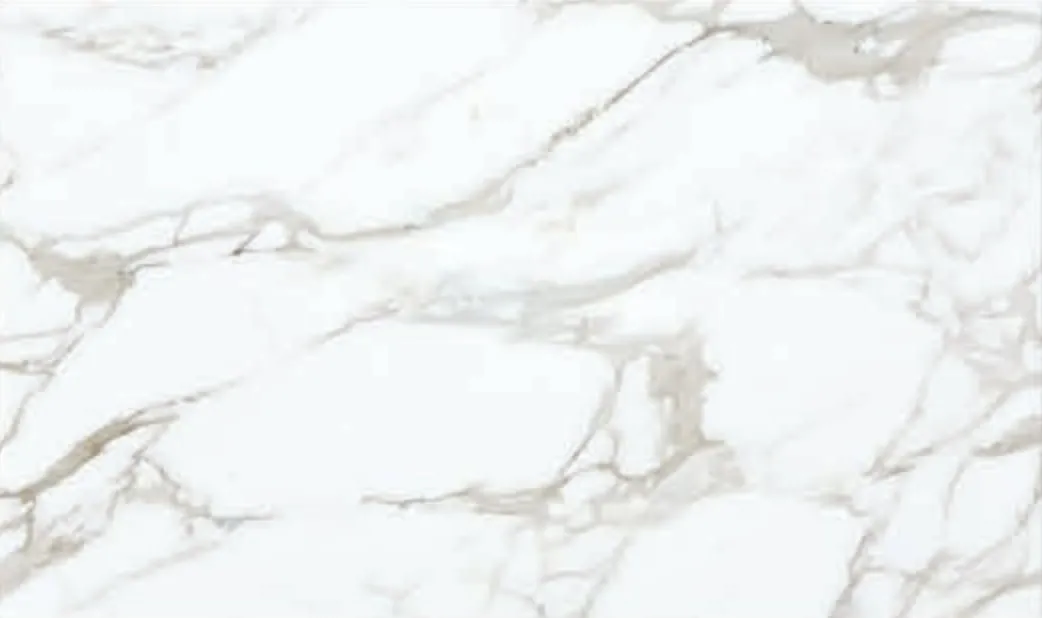
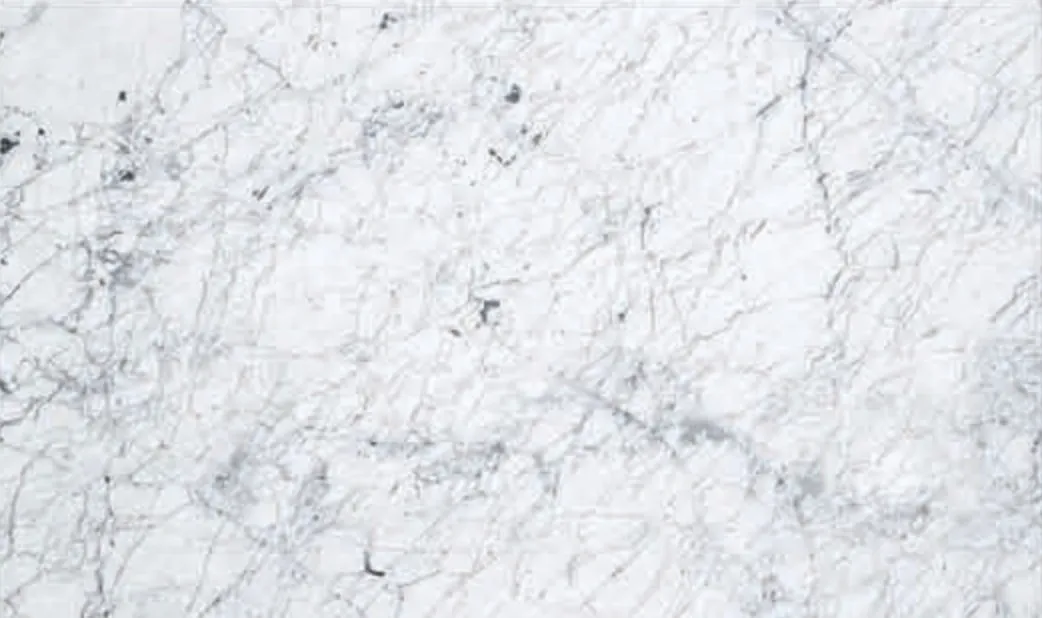
| Statuario Premium | Carrara | Bright white ground, bold well-spaced grey veins | Living room floors, feature walls |
| Statuario | Carrara | Bright white ground, bold grey veining | Floors, feature walls, staircases |
| Calacatta | Carrara | White ground, thick grey and soft gold veins | Feature walls, living room floors |
| Lasa White | Lasa, South Tyrol | White ground, fine sparse linear veins | Calm floors, bathroom walls |
| Bianco Venatino | Carrara | White-grey ground, fine network of grey veins | Floors and walls in busier rooms |
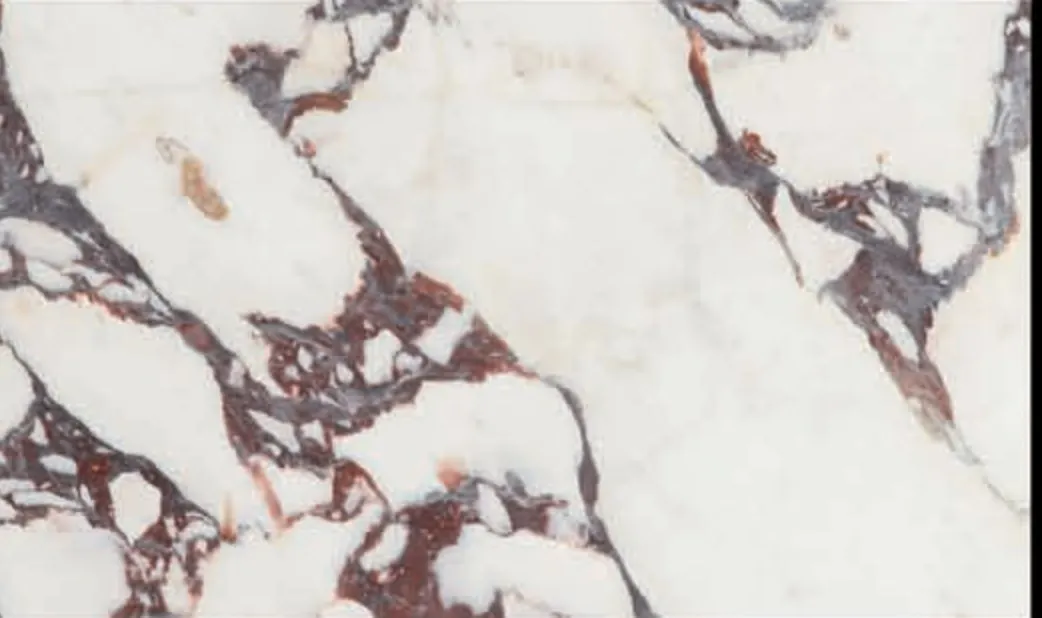
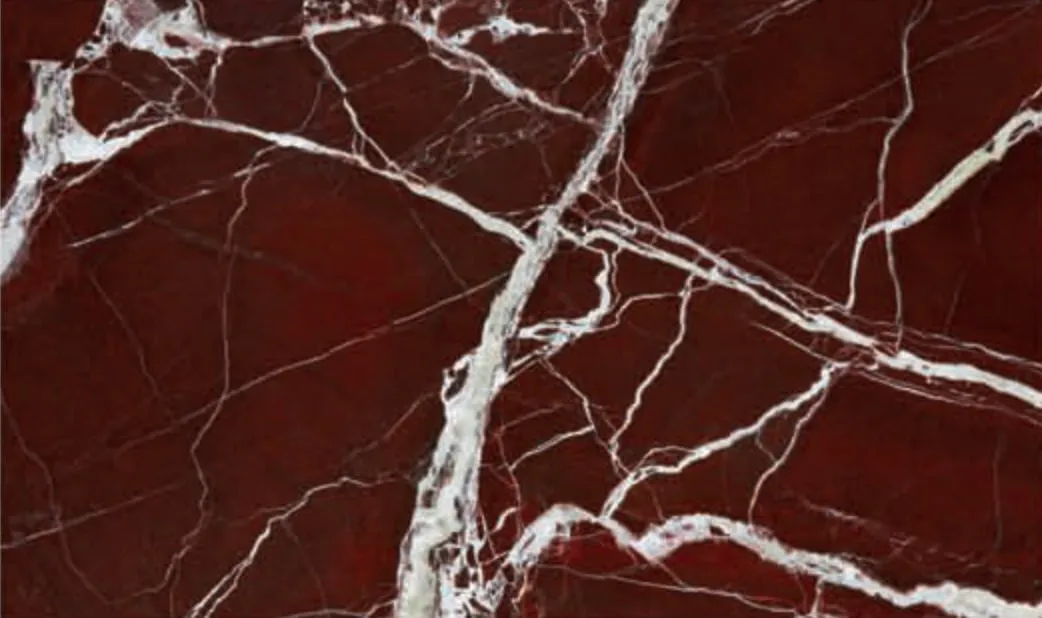
| Arabescato | Italy | White ground with burgundy and violet veins | Feature walls, table tops |
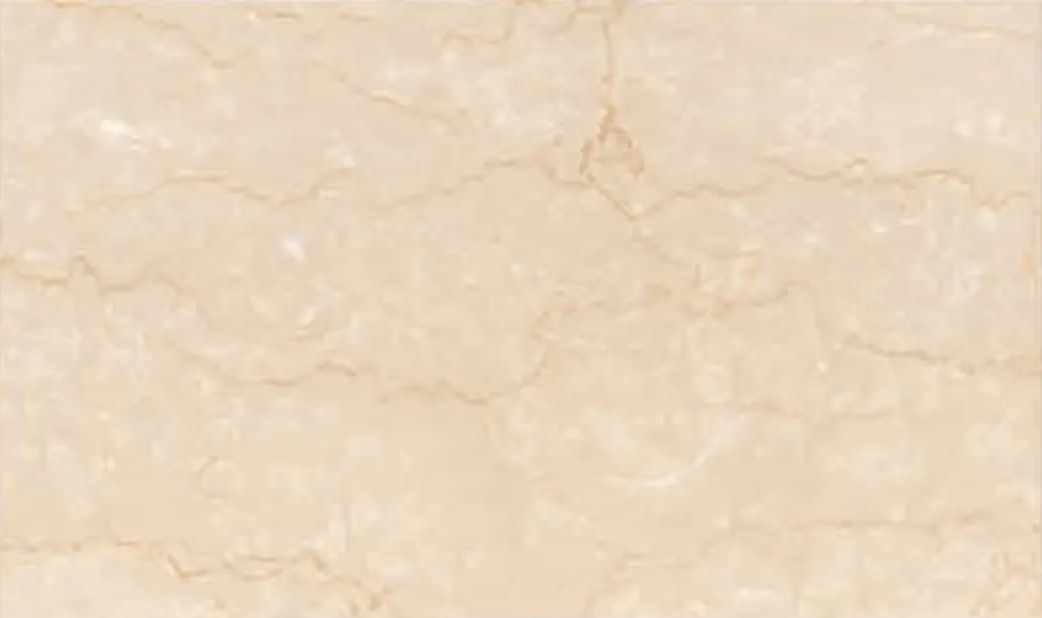
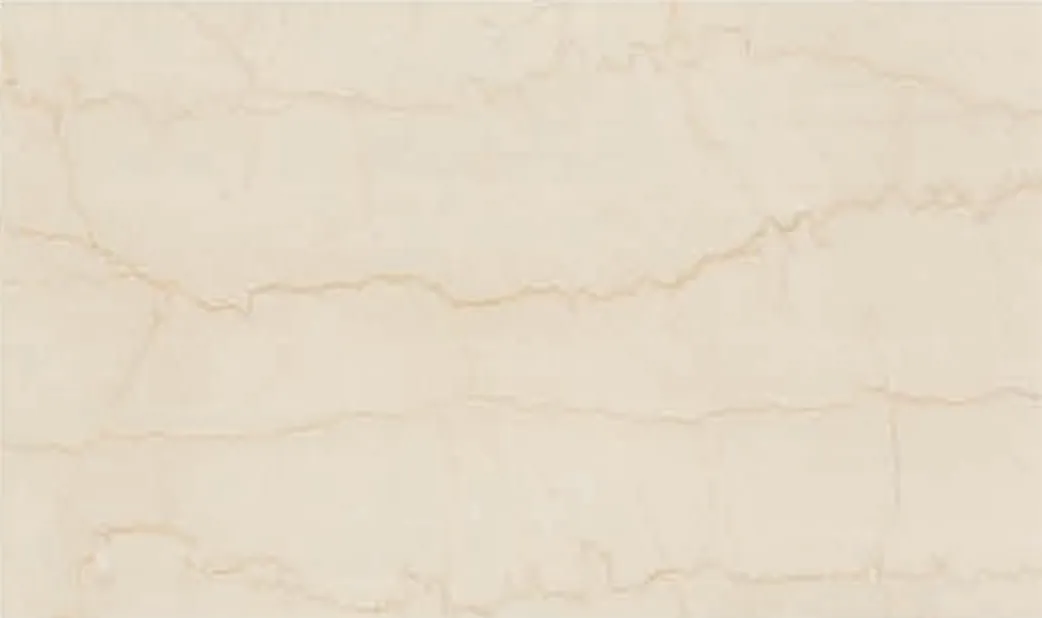
| Botticino Classico | Brescia | Even cream-beige ground, soft veining | Whole-house floors, staircases |
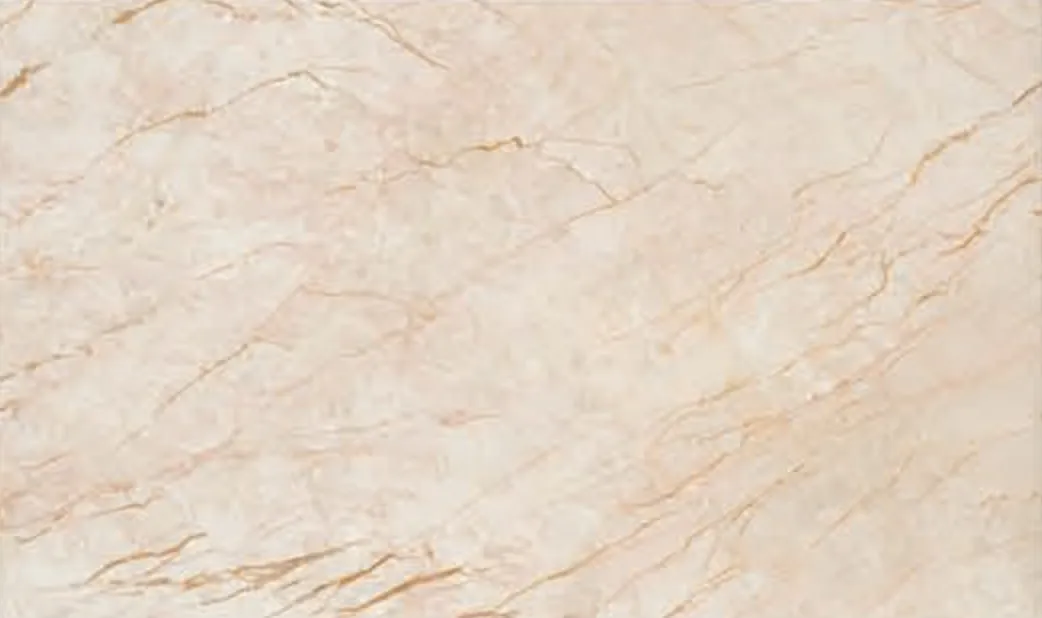
| Perlato Sicilia | Sicily | Ivory-beige ground, pearl-like shell patterns | Whole-house floors, wall cladding |
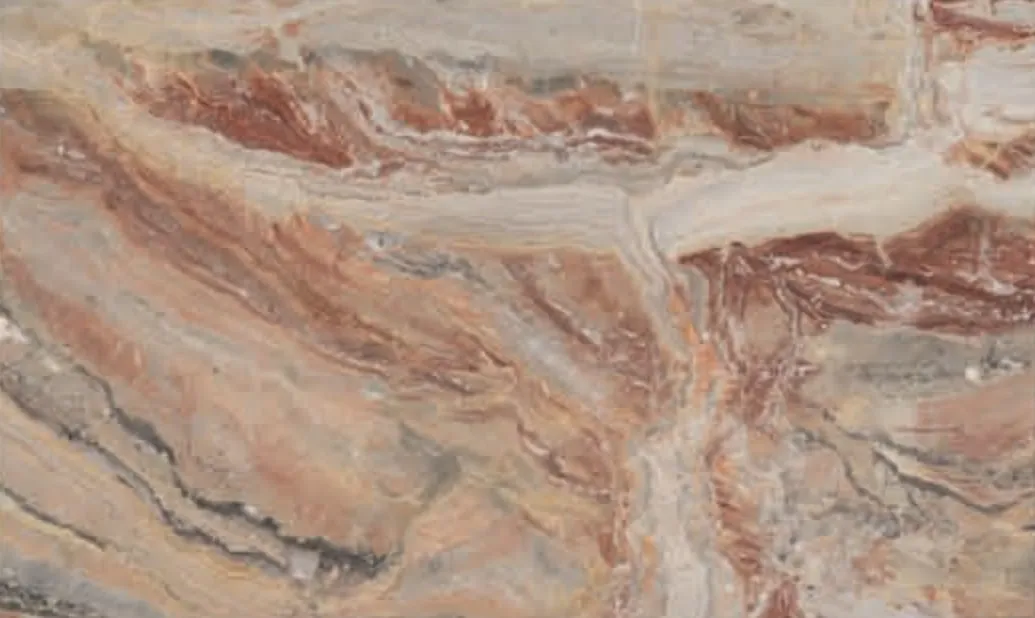
| Breccia Oniciata | Brescia | Beige-pink ground, flowing onyx-like bands | Feature floors and walls |
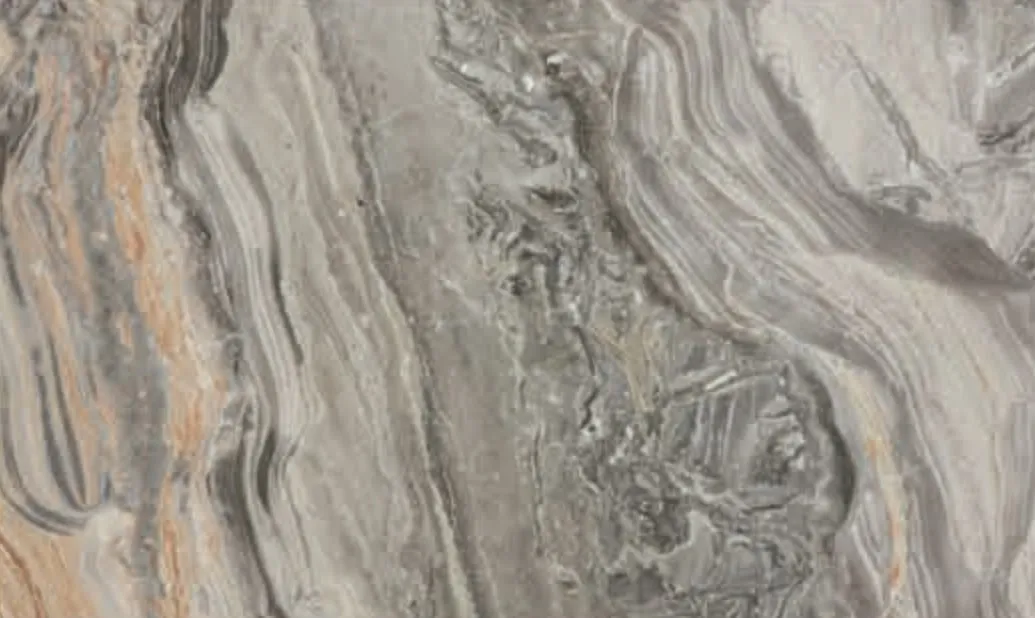
| Grigio Orobico | Bergamo | Grey ground, flowing gold and white bands | Feature walls, borders, inlays |
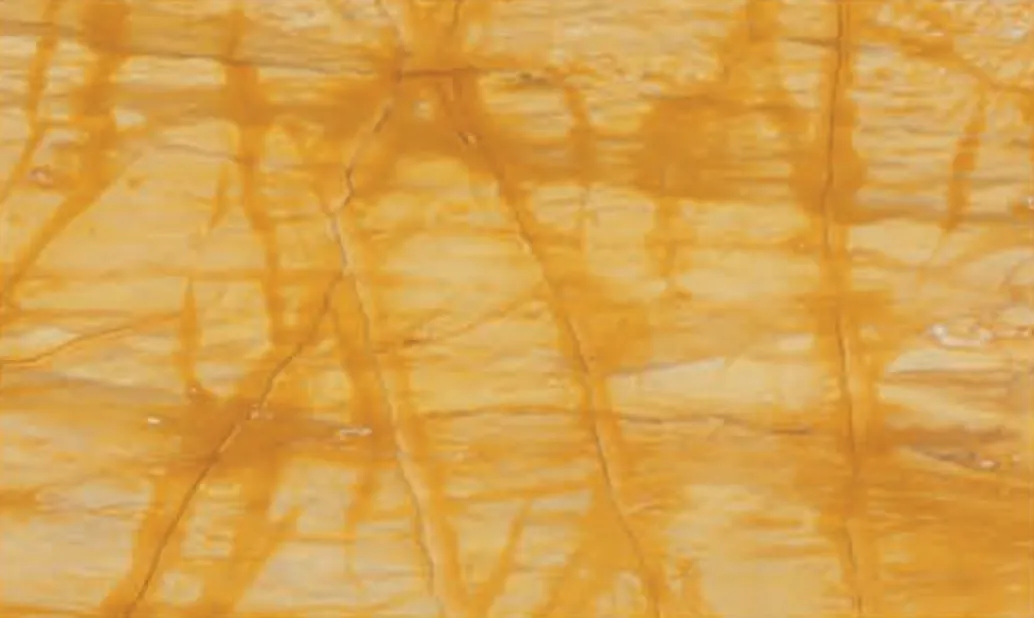
| Giallo Siena | Tuscany | Golden-yellow ground, amber veins | Feature walls, borders, vanities |
How is Italian marble graded?
There is no single international grading standard. Each quarry and processor grades its own slabs, usually as first choice, second choice and commercial. That is why two quotes for 'Statuario' can be for very different stone, and why you should judge the slab, not the label. Use this as a guide to what each grade usually looks like.
| Grade | What you see | Where it suits |
|---|---|---|
| First choice | Clean, even ground; balanced veins; very few fills | Living rooms, feature walls, book-matched walls |
| Second choice | Some colour variation; a few fills or spots | Bedrooms, passages, staircases |
| Commercial | Visible patches, more fills, uneven veining | Small areas, cut pieces, borders |
How do you check Italian marble quality at the store?
- See the full slab, standing back as you would in the room. A small polished sample hides the veining.
- Look along the surface against a light. Cracks, pits and resin fills show as dull or glassy patches.
- Run a fingernail across any dark line. A natural vein is smooth; a line that catches the nail is a crack.
- Check the reflection of a tube light in the polish. A true polish gives a sharp edge; wax or a coating looks soft and smeared.
- Ask to see the back of a slab. Mesh and resin backing are normal on some stones, but ask why it is there.
- Measure thickness at several edges. Akrruthi supplies 18 mm slabs.
- Line up the slabs for one room side by side. Shade and veining should match, which means one lot from one block.
Bold-veined stones such as Arabescato and Breccia Oniciata vary the most from slab to slab, so choosing in person matters most with them. For the full checklist, read how to check marble quality before you pay and how to read a slab.
How can you tell genuine Italian marble?
Many stones are sold under Italian names without coming from Italy. A name alone proves nothing. Ask every dealer for the quarry region, ask to see the full slabs, and ask whether the slabs delivered will be the ones you chose. At Akrruthi, every stone on the Italian marble page is named with its quarry region. Where we cannot confirm the country, we say so: Italian Beige is listed as imported, with the country confirmed on enquiry, and Rosso Levanto as from Italy or Turkey.
Which Italian marble suits each room?
- Living room floor: Statuario Premium, Calacatta or Bianco Venatino, where the veining can run across the whole room.
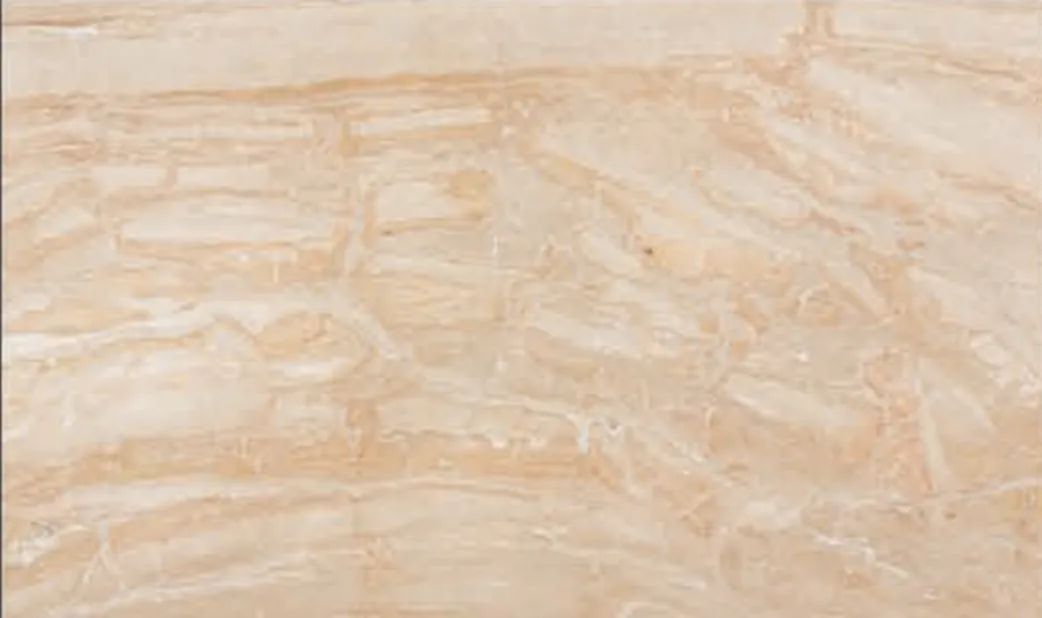
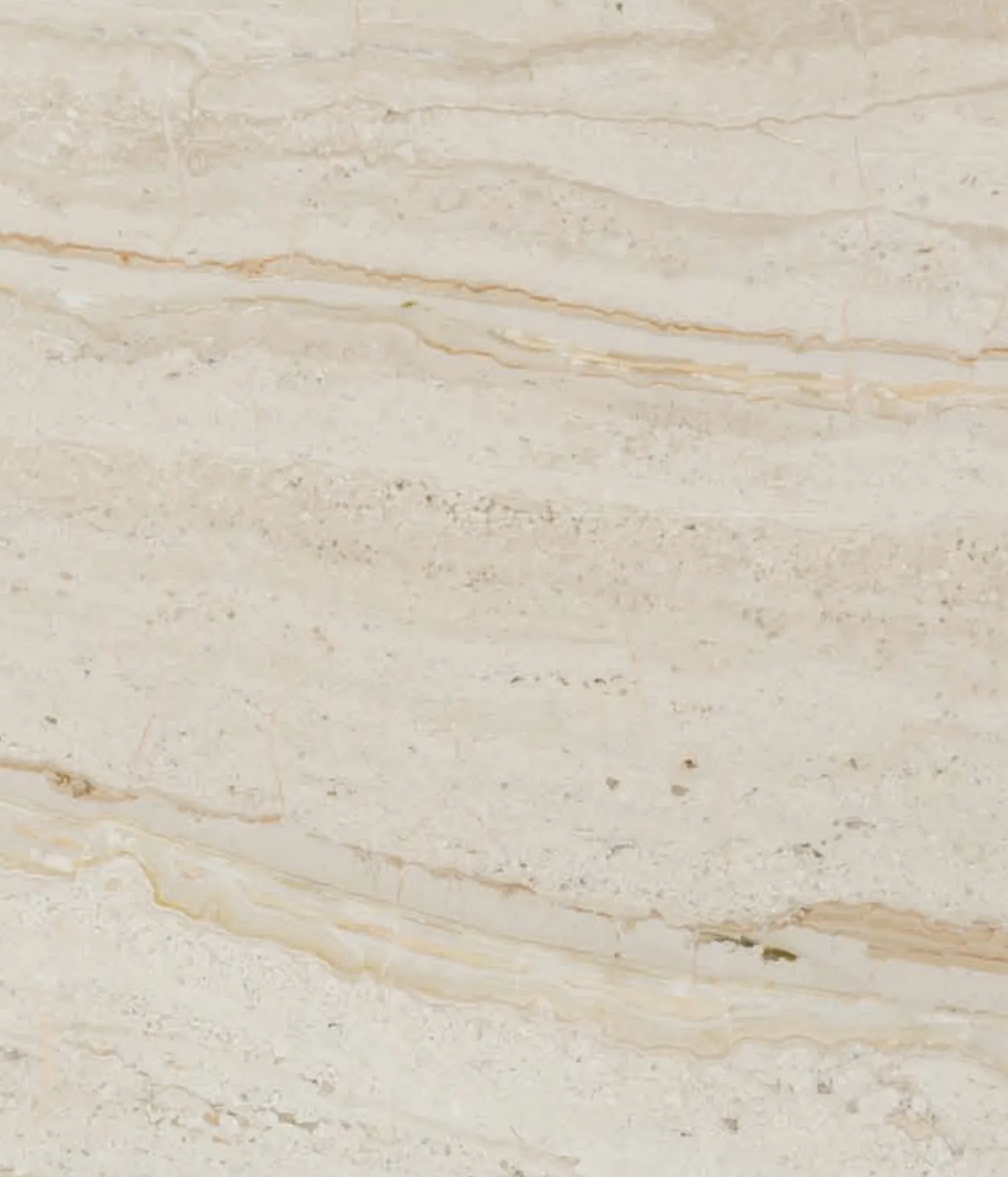
- Whole-house flooring: Botticino Classico, Perlato Sicilia or Diana Royal (Daino Reale), warm and even from room to room.
- Feature wall or TV wall: Calacatta, Grigio Orobico or Rosso Orobico, book-matched if the lot allows.
- Bathroom walls: Lasa White or Botticino, in a honed finish for a softer look.
- Staircase: Statuario to match a white floor, or Serpeggiante for its straight, wood-like lines.
- Kitchen counter: no Italian marble. Lemon, tamarind and tomato etch polished marble; choose granite for the counter.
How do you look after high-quality Italian marble?
Italian marble is softer than granite, so even a first-choice slab still needs care. Seal it after laying and again each year, wipe spills quickly, and clean with a pH-neutral cleaner only. Marble can be re-polished on site for decades, which is why a well-chosen floor outlasts most other materials. Read marble care: stains, sealing and cleaning and choosing a finish.
Where can you choose Italian marble in Bengaluru?
Our Italian marbles are at Akrruthi Marble, Jigani, Bengaluru. You see the full slabs, choose and tag the ones you want, and we quote once you have chosen. If you live outside Bengaluru, you can choose your slabs on a video call. To understand the price, read what decides the cost of Italian marble.