The short answer
Beige marble is the practical choice for flooring a whole house: it feels warm, hides dust and wear, and suits wooden furniture. Italian beiges such as Botticino Classico, Perlato Sicilia and Diana Royal are classic choices; Crema Marfil from Spain and Ottoman Beige from Turkey are plain and even. Choose by tone and veining.
Key takeaways
- Beige marble is the practical whole-house choice: warm, calm and forgiving of wear.
- Botticino, Perlato Sicilia and Diana Royal are Italian; Crema Marfil and Ottoman Beige are plain imported beiges.
- Match the tone to your wood, and buy a large lot from one block.
Advice for you
Tell us who you are and we will show you what matters most in this guide.
I am building or renovating my home
Take a cut piece of your door or furniture wood to the store and hold it against each beige. The right tone is obvious once you compare.
Book a visit to see full slabsI am an architect or interior designer
For open plans, specify one beige across all connected rooms and a single lot. Note vein direction for linear stones such as Serpeggiante.
Request samples for a clientI am a contractor or builder
Large beige floors show shade changes between lots most clearly in daylight. Lay out the whole lot before fixing and mix slabs only as agreed.
Work out quantitiesI live outside Bengaluru
Plain beiges are easier to choose remotely than veined whites. Ask for the full lot on video to check the shade range.
Choose slabs on a video callWhy beige marble suits whole-house flooring
- It hides everyday dust and footprints far better than white.
- Its warmth suits wood, brass and most wall colours.
- Even beiges look calm across many rooms, so the house reads as one.
- Small marks and wear show less, which matters in a busy family home.
Beige marbles compared
| Stone | Origin | Look |
|---|---|---|
| Botticino Classico | Italy (Brescia) | Even cream-beige, soft veining |
| Botticino | Italy (Brescia) | Cream-beige with fine golden veins |
| Botticino Fiorito | Italy (Brescia) | Light beige with small flower-like markings |
| Perlato Sicilia | Italy (Sicily) | Ivory-beige with pearl-like shell patterns |
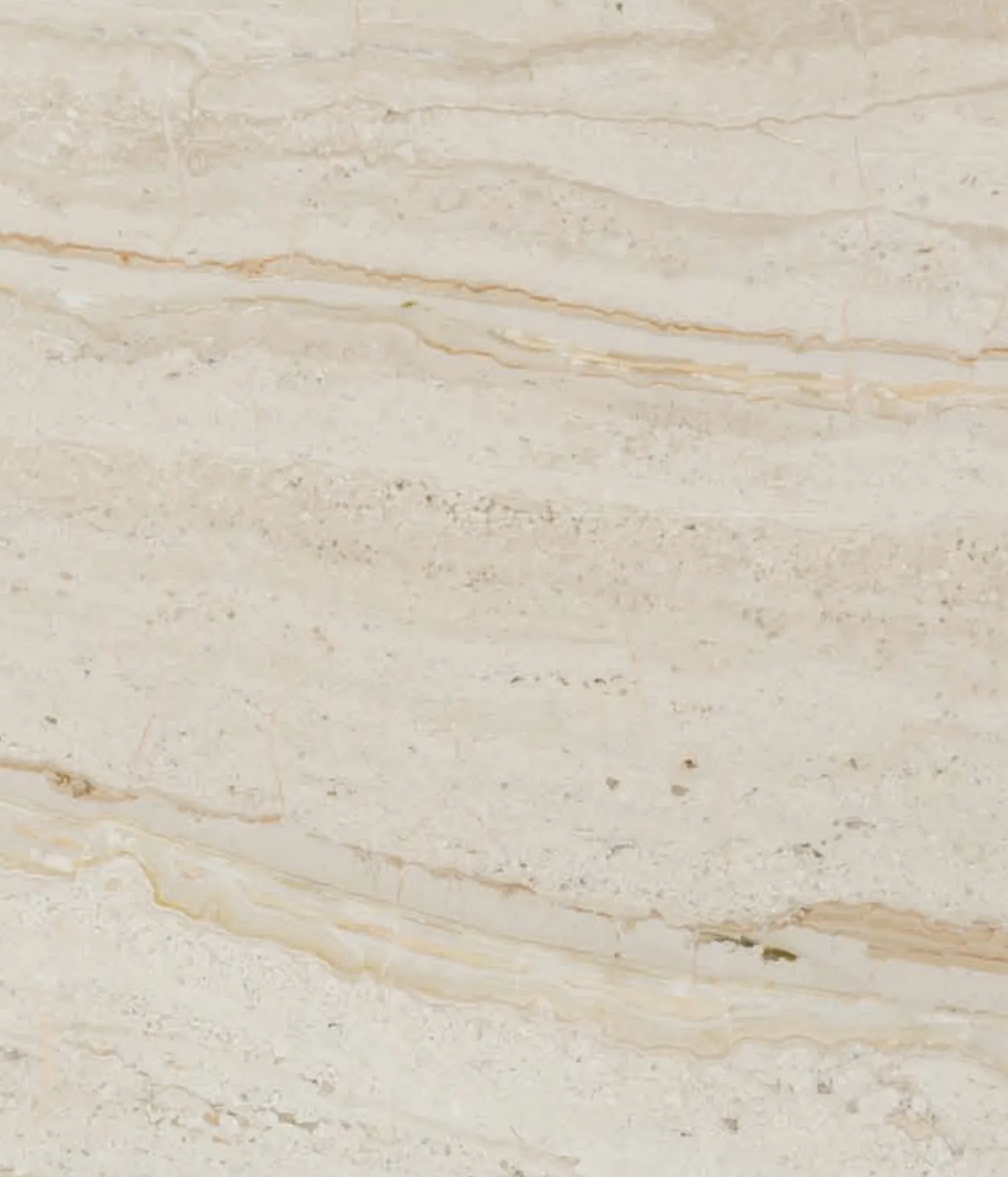
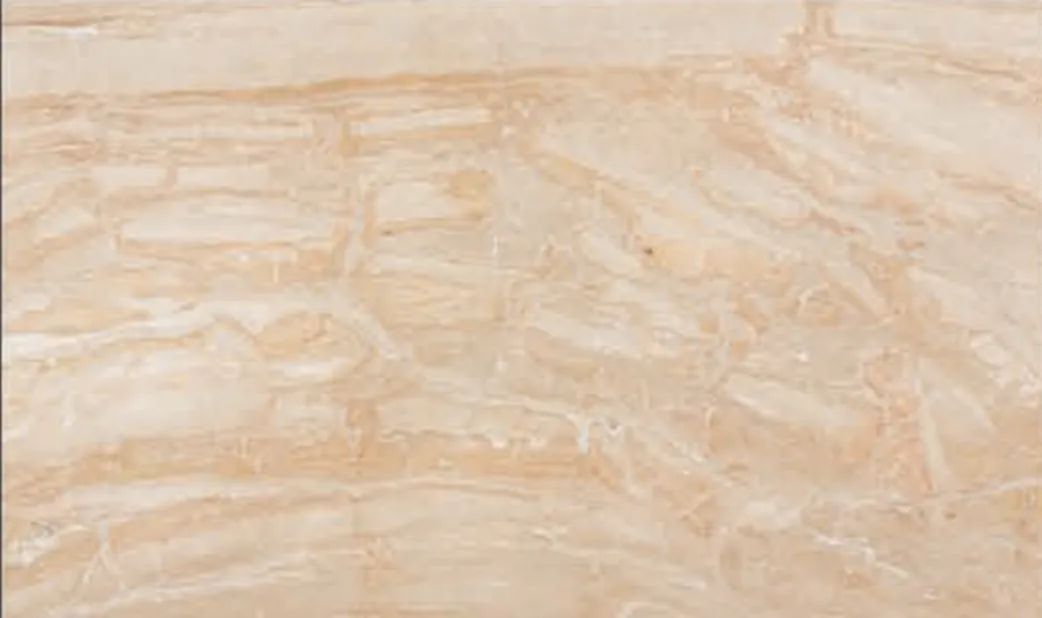
| Diana Royal | Italy (Sardinia) | Warm beige with fine linear veining |
| Serpeggiante | Italy (Apulia) | Beige with straight, wood-like lines |
| Crema Marfil | Spain | Uniform cream, very light veining |
| Ottoman Beige | Turkey | Plain, even beige |
| Burberry Beige | Turkey | Tan-beige with fine dark hairlines |
| Oman Beige | Oman | Light beige with a fine grain |
Italian beiges
Botticino Classico from Brescia is the calmest of the Italian beiges and suits large floors. Perlato Sicilia has a soft ivory tone with shell-like patterns that give texture without busy veins. Diana Royal (Daino Reale) from Sardinia is warmer, with fine lines that can be laid to run along a room. Serpeggiante has straight lines like wood grain, which suit long corridors and modern homes.
Plain beiges from other countries
If you want almost no pattern, Crema Marfil from Spain is a uniform cream, and Ottoman Beige from Turkey is a plain, even beige. These are honest imported stones, sold under their own origins, not as Italian. For a beige with more character, Breccia Oniciata has flowing, onyx-like bands; keep it to one room or a feature.
How to choose a beige
- Warm or cool: put each sample next to your wood finish. Some beiges lean pink, some yellow, some grey.
- Veining: plain for big open plans; soft veins for character; strong pattern for one room only.
- Consistency: for a whole house, ask for a large lot from one block.
- Finish: polished for living areas; honed for bathrooms.
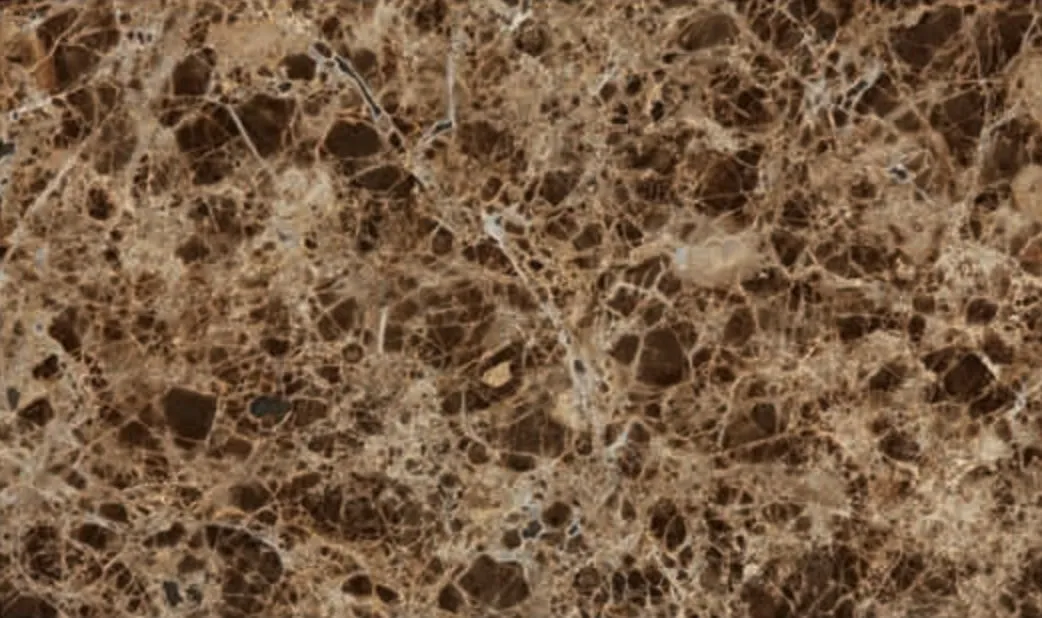
- Borders: a darker stone such as Emperador Dark can frame rooms without changing the floor.
Read choosing marble for a living room floor and how much stone you need before you visit.