The short answer
A stone feature wall works well with one strongly veined stone, laid so the veins flow across the wall. Book-matching mirrors consecutive slabs for a symmetrical pattern. Plan the slab layout, joints and cut-outs for the TV and switches before cutting, fix the slabs mechanically or with suitable adhesive, and light the wall from above or the side.
Key takeaways
- Feature walls suit bold stones that would be impractical on floors.
- Book-matching needs consecutive slabs from one block; check the lot first.
- Plan joints, cut-outs and cables before cutting, and light the wall from the side or above.
Advice for you
Tell us who you are and we will show you what matters most in this guide.
I am building or renovating my home
Decide where you will sit and look at the wall. Place the strongest veins there, not behind the TV.
Book a visit to see full slabsI am an architect or interior designer
Draw the slab layout with joint lines and cut-outs, and confirm consecutive slab numbers before releasing the design.
Request samples for a clientI am a contractor or builder
Route cables and fix brackets before cladding. Use mechanical fixings for large or high slabs.
Work out quantitiesI live outside Bengaluru
Ask us to show the consecutive slabs side by side on a video call, opened as a pair.
Choose slabs on a video callWhich stones make good feature walls?
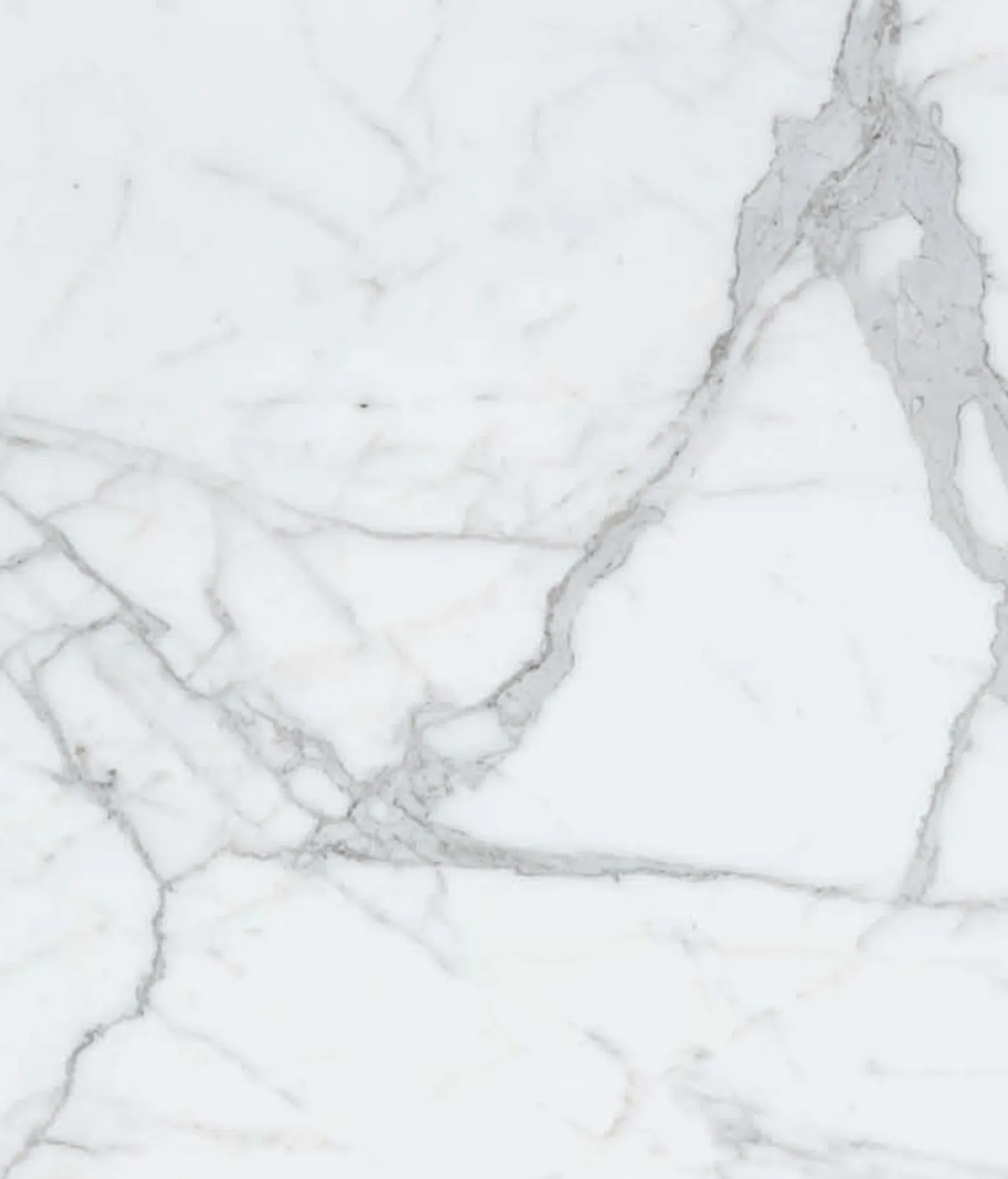
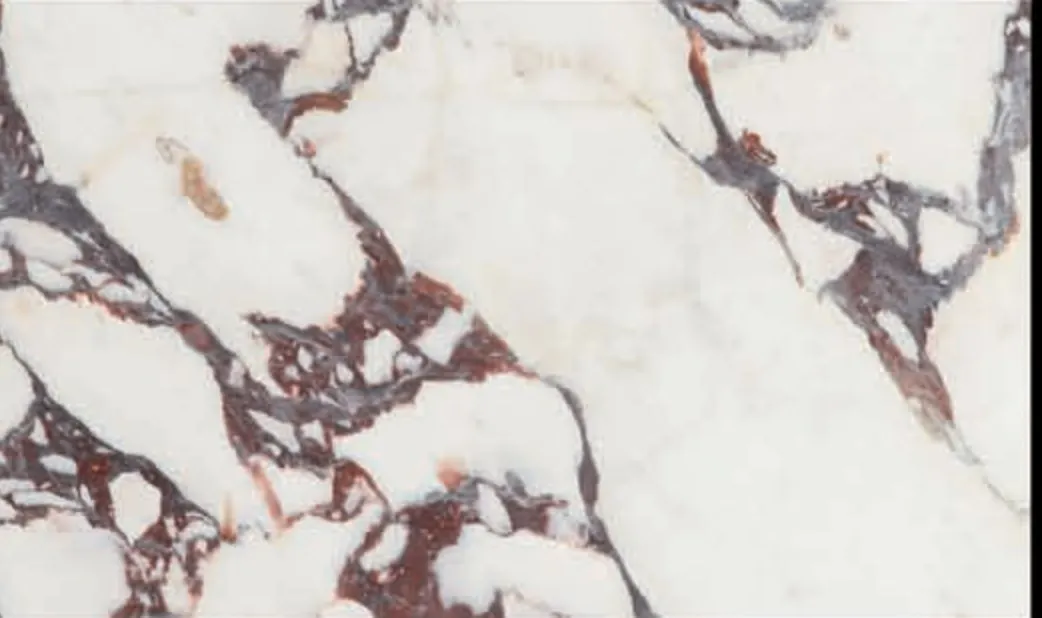
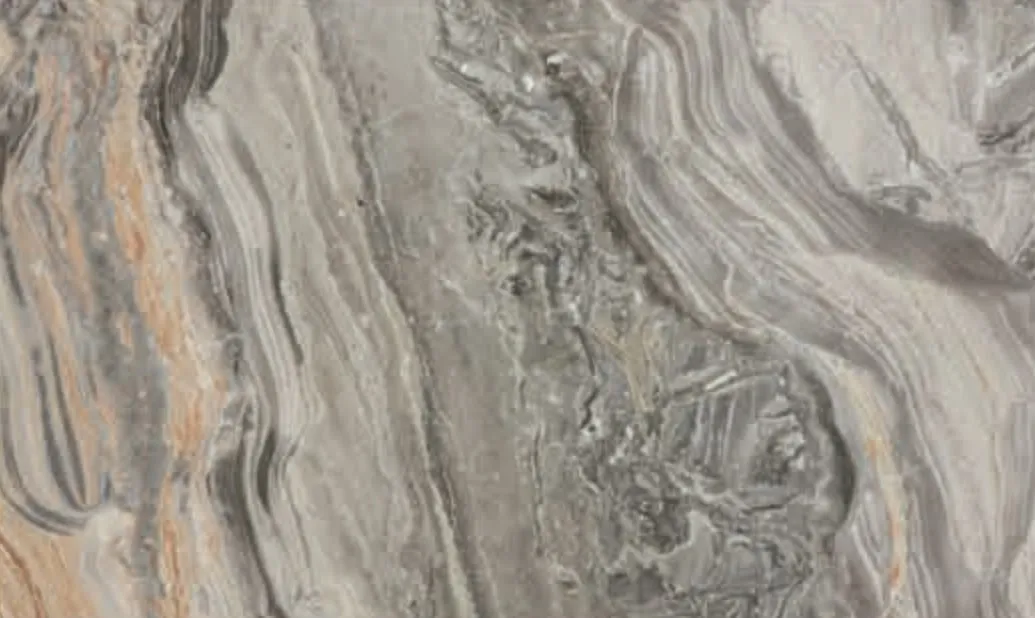
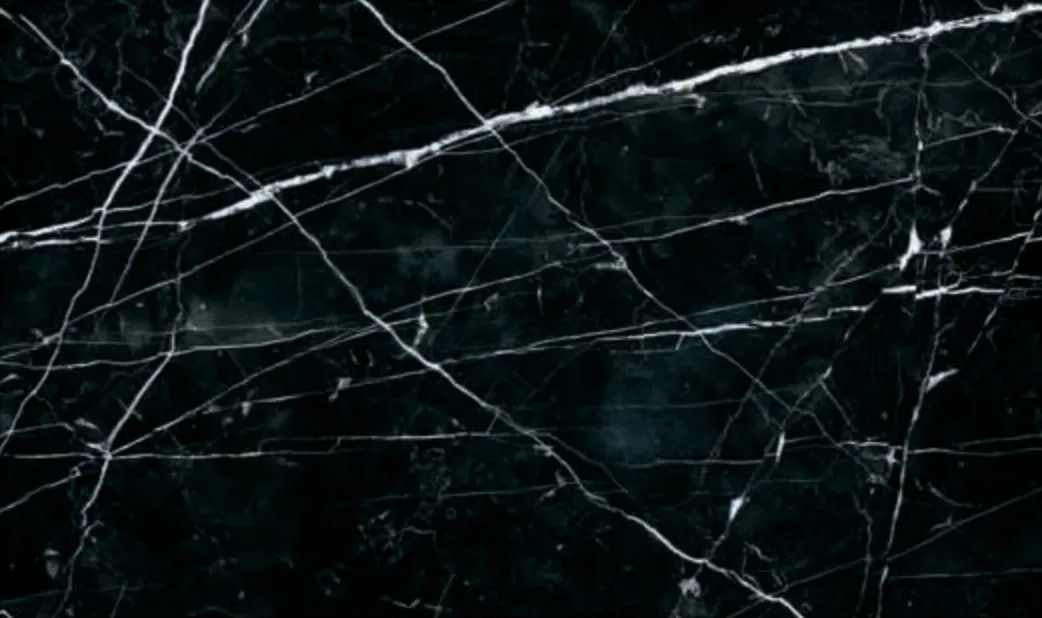
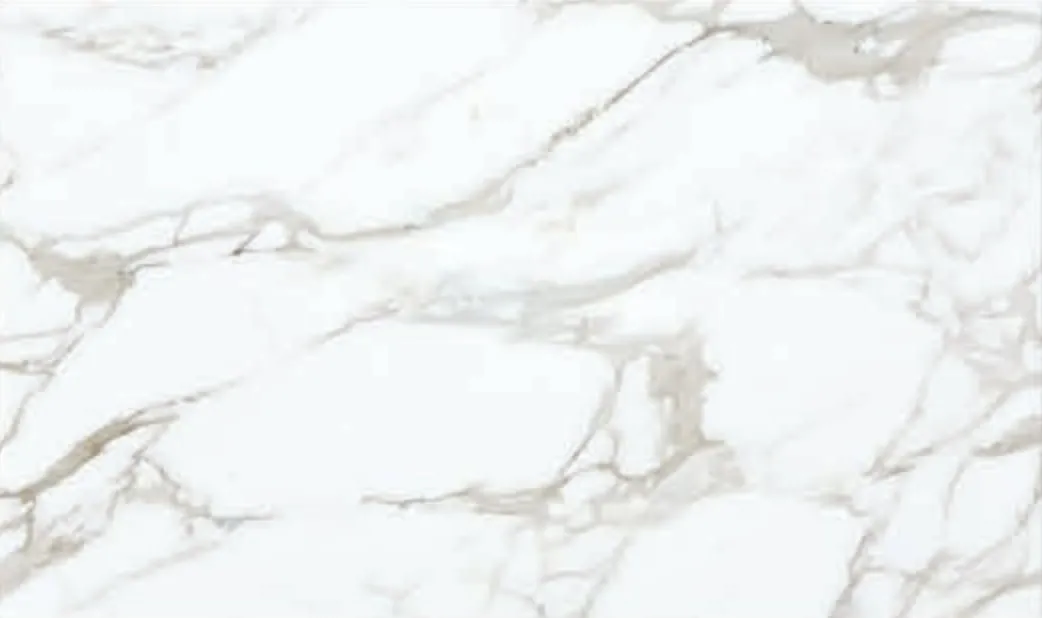
A feature wall is where bold stone belongs. Calacatta and Statuario Premium give strong white veining; Breccia Oniciata and Arabescato bring colour; Grigio Orobico and Nero Marquina give dark drama. A wall is seen up close and is not walked on, so softer and bolder stones work here that would be impractical on a floor.
What is book-matching?
When a block is sliced, consecutive slabs carry almost the same veining. Opening two consecutive slabs like the pages of a book gives a mirrored pattern across a joint. Four slabs can be matched into a diamond or butterfly pattern. Book-matching needs consecutive slabs from one block, so check the lot before you design around it.
| Layout | What it needs | Effect |
|---|---|---|
| Book-matched pair | Two consecutive slabs | Mirrored veins meeting at a centre joint |
| Four-way match | Four consecutive slabs | A diamond or butterfly pattern |
| Slip-matched | Consecutive slabs laid side by side | Repeating veins running along the wall |
| Random | Any slabs from one lot | Natural, less formal |
Planning a TV wall
- Measure the wall and draw the slab joints before choosing slabs.
- Place the TV so it does not sit on the book-match centre line unless that is intended.
- Mark cut-outs for switches, sockets and cables; route cables before the stone goes up.
- Keep the strongest vein pattern where it shows, not behind the TV.
- Plan a ledge or floating unit in stone or wood if needed.
Fixing and lighting
Large slabs on walls should be fixed securely: mechanical fixings or clamps for large or high panels, and suitable stone adhesive for smaller ones, on a sound, level wall. Light the wall with a grazing light from above or the side to bring out the veins. For a glowing wall, see onyx and backlit onyx.
Read how to read a slab and Statuario or Calacatta before you visit.