The short answer
Most families choose a light, calm stone for a pooja room: white marble such as Thassos or Lasa White, or a soft beige. A backlit onyx panel can give the mandir a warm glow. Seal the stone well, because haldi, kumkum and diya oil stain marble. Use trays for diyas and keep the floor honed or polished as you prefer.
Key takeaways
- Light, calm stones are the usual choice: white marble or soft beige.
- A backlit onyx panel gives the mandir a warm glow.
- Seal the stone and use trays; haldi, kumkum and diya oil stain marble.
Advice for you
Tell us who you are and we will show you what matters most in this guide.
I am building or renovating my home
The pooja room is small, so it is a good place to use the stone you love most. Choose it with your family, in person.
Book a visit to see full slabsI am an architect or interior designer
Detail a recess for diyas and a ventilated cavity if you plan a backlit panel, and round the edges of steps.
Request samples for a clientI am a contractor or builder
Seal pooja room stone before handover, and fit the back panel only once lighting is tested.
Work out quantitiesI live outside Bengaluru
Pooja room quantities are small; ask us about offcuts or a few slabs on a video call.
Choose slabs on a video callWhich stones suit a pooja room?
The pooja room is small, dry and treated with care, so it can carry a stone you might not use on a busy floor. Light colours are the usual choice: they feel calm and reflect lamp light. Thassos White is a near-pure white; Lasa White has fine, quiet lines; Statuario adds gentle grey veins. A warm beige such as Botticino Classico suits a traditional wooden mandir.
| Surface | Suits | Note |
|---|---|---|
| Floor | White or beige marble | Seal well; polished or honed |
| Mandir base and steps | White marble, granite | Rounded edges; trays for diyas |
| Back panel | Onyx (backlit), white marble | Warm-white light behind onyx |
| Shelves and niches | Marble or granite | Easy to wipe |
Backlit onyx for the mandir
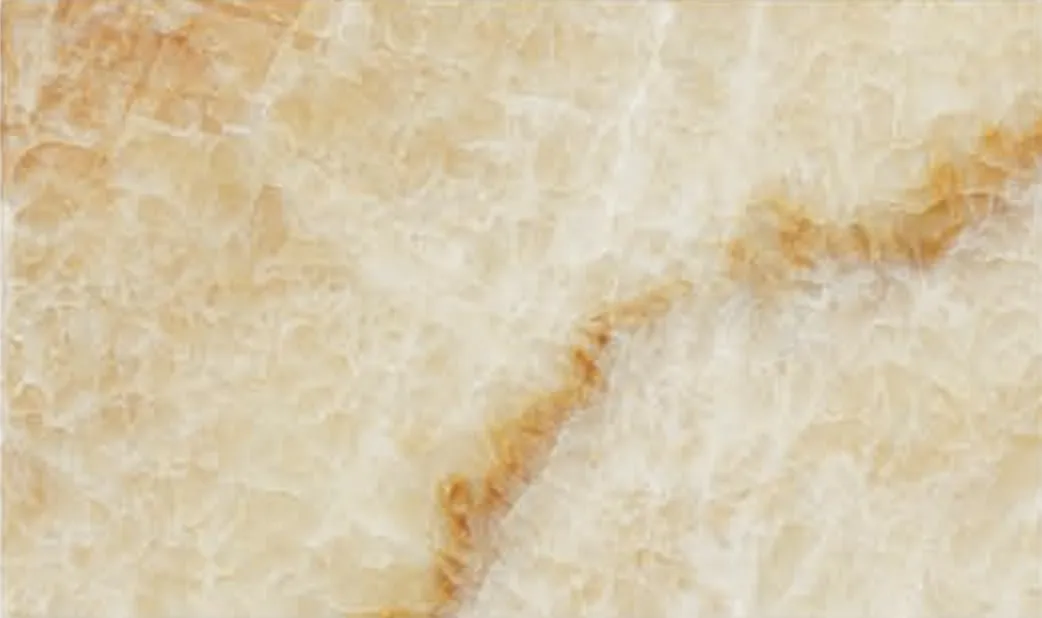
A thin panel of Honey Onyx or White Onyx lit from behind gives the mandir a soft, warm glow. It is a small area, so it is a sensible place for a feature stone. It needs a cavity for LED lighting and a fabricator who has done it before. Read onyx and backlit onyx.
Protecting the stone from puja materials
- Seal the stone after fixing and reseal yearly.
- Keep diyas, camphor and agarbatti stands on brass or steel trays.
- Wipe haldi, kumkum and sandalwood paste promptly; they stain light marble.
- Do not wash the floor with acids or bleach; a pH-neutral cleaner is enough.
- Blot diya oil at once with paper; do not rub it in.
What about vastu?
Many families follow vastu when planning the pooja room. Traditional guidance usually favours light colours such as white, cream and soft yellow. Sources differ on details such as directions and specific colours, so if vastu matters to you, confirm with your own vastu consultant, then choose the stone that meets their advice and suits the room.
For care, read marble care: stains, sealing and cleaning and cleaning marble and granite before Diwali.